Is This A David Simon Project?

The Rob Ford Story was starting to play out like a classic Hollywood narrative.

Underdog outsider, derided by all the cool kids, defies the odds and becomes student council president mayor of Toronto. The heady heights go straight to his ego, hubris rising, he nearly throws it all away, forgetting where it was he came from and alienating all those who believed in him when nobody else did. He wallows in self-pity, mistakes piling on mistakes, looking very much like he’ll fall back into the little man obscurity he’d just escaped.
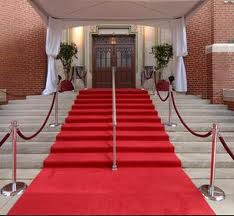
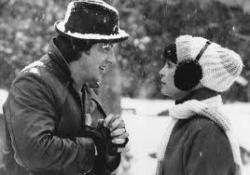
That part where Rocky, having achieved international fame after the heavyweight champion, Apollo Creed, has tapped him to be his next an opponent, slacks off, distracted by adoring fans and all the temptations of celebrity. Burgess Meredith is always yelling at him and makes him chase a chicken. I think that’s in Rocky, right? Maybe Rocky II. I just know it’s not the one with the Russian robot.

Redemption awaits.

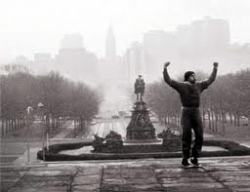
Or as former campaign director and chief of staff, now unofficial Fordian gadfly, Nick Kouvalis exclaimed: Rob 2.0 He gets his shit together, bounds up the set of stairs and dances/shadow boxes triumphantly. Flying high now! Flying high now!

At the fall city council meeting, the first after his summer of deep discontent, Mayor Ford promises and delivers to beat back those angling to keep the Jarvis bike lanes, one of his early shows of power in Act One. “It’s what the people want,” the mayor pronounced, embracing the populism that got him elected. The foul weather now behind him, it was playing out like a blockbuster storybook tale. Eye of the Tiger and all that.
Except that there seemed to be some genre busting going on. It wasn’t really the mayor who trumped his adversaries on the bike lane issue but, instead, his diabolical evil henchman, Public Works and Infrastructure chair, Councillor Denzil Minnan-Wong. He seemed to do all the heavy lifting while Mayor Ford basked in the accolades.

And then there was the addition of a mystery element.

Three middle of the road councillors inexplicably flip-flopped and swung the vote in the mayor’s favour. Why? As Matt Elliott pointed out yesterday, councillors Ana Bailão, Michelle Berardinetti and Josh Colle had all expressed their intention to keep the Jarvis bike lanes and had they all voted that way the result wouldn’t have been a 24-19 win for the mayor but a 22-21 loss. What happened?

Probably some horse trading. One of the amendments was to pay for the removal of the bike lanes not from the biking infrastructure budget as has been floated earlier. Some good ol’ tit for tat. But there was little other glaringly obvious swapping in evidence.

Surely none of these shifty three were still intimidated by the mayor or the power he didn’t really yield. Maybe back in the day when his power was absolute and they were greenhorn rookies. Not now. They were in control, the decision in their hands. Such capitulation seemed more than a bit baffling.

We had now entered Sidney Lumet territory.

Everybody but Mayor Ford, that is.

He continued on his rag-to-riches-to rags-to riches arc. With victory secured, redemption was now at hand. Reaching out to his enemies as represented by the downtown elitists at CBC, the mayor would admit to his own failings, how he’d learned from them and would now rise above the fray to secure his rightful place as the mayor of all people. Everyone hugs (or in the Bollywood DVD only version for increased global sales, dance and sing together), credits roll, The End.

But again, Mayor Ford went off script.

As John McGrath beautifully detailed at the Torontoist this feel good ending did not come to pass. The mayor blustered, made up facts and figures, disputed staff numbers, spouted platitudes and empty rhetoric. Basically reverted back to his desultory Act Two behaviour.
This is what happens when your script is written by committee.

Mayor Ford returned to council to slay the dragon of the much hated plastic bag ban but there was no deus ex machine in sight, the cavalry did not ride in over the hill. The mayor did not have the 30 votes needed to re-open the ban debate. It ended just like that. A whimper. Wait, what? It’s over? Where’s the twist? The surprise plan B that snatches victory from the jaws of defeat?

Worse still for Mayor Ford, he faded into the background, became a bit player. Yesterday’s news was not about him, not about his ignominious defeat but about the Councillor Giorgio Mammoliti-Gord Perks face off. City Hall Brawl, the Toronto Sun screamed.

Earlier in the day, before the plastic bag ban showdown, Councillor Mammoliti rose in chambers and harrumphed something about the Ombudsman’s Report that was to be debated later in the meeting being ‘politically motivated’. Chastised by council and told by Speaker Frances Nunziata to retract his statement and apologize. He refused, stomping from the council floor before being forced out, and up to the media gallery, the councillor continued his tirade in front of the cameras.
Enter our shaggy anti-hero, Councillor Perks. He gets all up in his colleagues face, demanding he apologize or leave the chambers. Back off, out my face. Get out. Stand back. Get out.

Conflict. The key ingredient of any good drama.

In what then appears as a reversal of fortune, Councillor Perks is forced to apologize for his outburst at council while Councillor Mammoliti issues a typical non-apology apology. The mayor’s foes have over-stepped and succeeded only in embarrassing themselves. They hand him the public opinion victory he could not secure himself.

Except the story’s not done yet.

It could be seen that our seemingly reckless anti-hero, Councillor Perks, tactically fell on his sword. In making his confrontation today’s headline, it left people wondering what the two councillors fighting about. What indeed? The Ombudsman’s Report damning the mayor’s office’s involvement in the civic appointments process.

As I sit writing this, I’m listening to city council’s debate over the report. No good can come of this for the mayor. It’s bad news about bad conduct and that’s what everyone’s going to be talking about. This council meeting, the first of what was supposed to be his comeback, will be remembered only for a report highlighting his failure of governance as mayor.

Hardly the Hollywood ending he needed. In fact, this isn’t a movie at all with its interminable requisite sequels. It’s a sprawling miniseries saga that continues to defy expectations. A cautionary tale where the hero does not triumph.

cinematically submitted by Cityslikr
TTC Capo

I often imagine what it was like behind the scenes back in the heady days of the fall of `10, just after Rob Ford’s surprise mayoral victory. Transitioning into power, drawing up their enemies candidates list for positions in the administration. The only absolute condition was a shared visceral antipathy toward the mayor-elect’s predecessor. Also, being yes men toadies a must.

“So, Stintzie wants to run the TTC. What do you think?”

“Ummm… Don’t know. Did she hate Miller as much as I did?”

“Nobody hated Miller as much as you, Robbie.”

“Yeah, you’re right. I fucking hated that guy. But you think she respects the taxpayers enough? Remember those voice lessons she paid for out of her office expenses?”

“As long as she votes with us to cut those expenses, we can let bygones be bygones. But I’ll tell you what. If she’s still thinking about ever running for mayor—”

“I will crush her. Ford Nation will tear her apart. Like LT snapping Theismann’s leg, Crrrr-acckkk!”

“That’s the thing, Robbie. You won’t have to. The shit we’re going to do to the TTC. Cuts… cuts… cuts–”

“You know who else I fucking hate, Dougie? Jerry Webster. Can we so fire that guy?”

“Why not. You’re the mayor now. You can do anything.”

“Yeah… sweet. Can we go home now?”

“It’s like 11 a.m. There’s still stuff to do.”

“Fine.”

“Stop pouting.”

“I’m not. You’re pouting.”

“The thing about being the TTC boss is that we’re going to so mess it up but it’ll be their face attached, you see what I’m saying?”

“… no… not really.”

“Doesn’t matter. Just trust me on this, OK? It’s a good move. We’re going to vote for Stintzie to be TTC Chair.”

“Hey. Whatever you say. You’re the boss.”

“And it’s also good, she’s a girl.”

“Is it?”

“… I think so, yeah. Why wouldn’t it be good?”

“Dunno. Why would it be?”

“… Yo, Adrienne! It’d be good to have a chick run the TTC, right?”

With that scene (or some reasonable facsimile thereof), Councillor Karen Stintz became TTC Chair Karen Stintz and dutifully fulfilled her role as a loyal Team Ford member, standing silently by as the mayor killed Transit City and obediently overseeing a 10% cut to the department’s budget when asked. She pretty much did what the mayor and almost everyone expected her to do.

And then, then she went rogue. No, check that. She went Michael Corleone on Team Ford’s asses.

I’m unprepared to attach motives to the about face. The better angel of my nature, that blackened, wizened, flightless better angel, likes to think she simply grew into her position. Listening to staff and other knowledgeable voices around her, she slowly realized Mayor Ford’s transit plan, such as it was, was unworkable. Way back last October, she raised a red flag of concern about how they were going to tunnel the Eglinton LRT across the Don Valley.

When then TTC General Manager Gary Webster backed her view that LRTs might be the smartest way forward, the mayor and his TTC commissioner boys iced him at the proverbial toll booth. If their goal was to intimidate the TTC Chair back into line, it failed spectacularly. In retaliation, she offs the mayor’s men on the TTC commission, emerging from the fracas in The Limey style.

Tell them I’m coming! I’m fucking coming.

(Yes, municipal politics came be this cinematic.)

It was all downhill for the mayor from that point. In short order, he was pushed, kicking and screaming Subways! Subways! Subways, to the sidelines. Transit City revived in all but name. And then this week, the TTC Chair and her Vice-Chair unveiled a much grander, 30 year transit plan called One City that lit up the switchboards for about 2 days before the province went out of its way to throw cold water on it. (That’s for another post entirely. Suffice to say, the premier and Minister of Infrastructure and Transportation might be well served noting how our TTC Chair dealt with the mayor when he crossed her.)

How One City grew to even see the light of day is, if nothing else, instructive as to how Toronto can actually govern itself in the absence of mayoral leadership. Take a moment to read John McGrath’s account of it at Open File, Don Peat’s in the Toronto Sun and David Rider’s in the Star. It is a microcosm of how council can and should be working together on vital initiatives for the city. A centre-right, centrist and two left wing councillors setting aside ideological differences in order to put forth a discussion paper on how to move forward on building a transit system Toronto so desperately needs. A discussion neither the mayor is capable of conducting and our dark overlords at Queen’s Park are unwilling to consider.

If nothing else, this latest transit saga has shown what is possible in a leadership vacuum when a politician sees that normal operating procedures don’t apply and decides to fill in the void constructively. Karen Stintz, arguably a councillor of little consequence during her first two terms in office, has seized the “opportunity” given her under this malignantly negligent administration and made a mark in a file not usually known for its generosity toward those toiling within its parameters. It’s a lesson others granted positions of power under Mayor Ford could well learn from and act upon.

auteurly submitted by Cityslikr

Marvelling At The Committee Of Adjustment

For City Hall watchers, it’s easy to get caught up in the big show. Our larger than life mayor (no, put down your complaint pens, people, that wasn’t a reference to Mayor Ford’s weight), the ideological schism at council and this kind of stuff. It practically writes itself.

So it’s understandable if indefensible that small but vital matters go largely unnoticed. Like, for example, the regular doings at the Committee of Adjustment meetings. Until this week, I’d never attended one and only did so because a development application in my neck of the woods. You might’ve heard about it? A proposed RioCan retail proposal incorporating the Kromer electronics store on Bathurst between College and Dundas streets.

As these things go, this one was a biggie with much community opposition to the 8 ‘minor’ variances RioCan was requesting. But many of the other 14 items before the committee in the same block where unopposed applicants wanting to build a deck or extend basement foundations. Routine matters to everyone but those involved. Yet, the very building blocks of how our city grows and evolves.

The Committee of Adjustment is made up of civilian members, and Toronto has 4 panels, representing 4 areas of the city, Etobicoke-York, North York, Toronto-East York and Scarborough. Members sit for 4 year terms and bring varying degrees of expertise to the job: a working knowledge of law, planning, architecture, government, economic development, community development, land development or citizen advocacy. In other words, a background in engaged citizenry.

A couple things struck me as I watched the proceedings on Wednesday. One was the civility in the room despite a dynamic that could pit neighbour against neighbour or corporate black heartedness against residential entitlement. There was none of the barking and sniping that occurs at council or other committee meeting. Before taking contested applications to the committee, interested parties were requested to conduct a meeting outside the room to see if their issues could be resolved. How often this works, I don’t know. The RioCan representative pointed out to committee members that none of the opponents to their plan chose to talk with them beforehand. Still, there was the sense the committee desired an amicable resolution before they were forced to arbitrate on applications.

The other interesting observation for me was just how thoroughly prepared all committee members were on every application. Those who presented items and spoke against them were frequently but gently nudged along by the committee chair, Gillian Burton, assured that the committee was well versed with the particular application and were looking for any new information. Questions from the committee were informed and concise. It didn’t strike me as some trial by fire or inquisition. Of course, I was simply observing from the audience not up pleading my case.

As for the RioCan application?

First, let me say that I wasn’t simply observing that one. I have a vested interested since I live not too far from their proposed development and took part in one of the residents’ meetings that talked strategy in opposing it. While not impacted directly by the plan, I was concerned greatly about the traffic impact of it on the surrounding neighbourhoods. What?! More cars!?! Well, that just won’t do…

The opposition was fantastically organized with just 4 people taking 5 minutes each to explain their positions but covering concerns from the Kensington Market Business Improvement and a couple of resident associations’ perspectives as well as one who questioned the very legitimacy of the development in terms of the city’s own Official Plan. Was it really adhering to the Avenues idea of proper planning? All retail including a massive box store that took little of its surroundings into consideration.

That seemed to be the Committee of Adjustment take on the matter as well. Beginning with member John Tassiopoulos’s questioning of why this application had even come before them. These weren’t ‘minor’ variances RioCan requested, he suggested, wondering if it wasn’t more a matter for zoning to deal with. The consensus was that the variances amounted to a cumulative overdevelopment of the site and the committee rejected the application outright. So adamant was the decision that committee members searched for strong enough language in their motion to bolster their judgment in case of an appeal to the OMB.

Oh yes, the OMB.

But before I go down that road, I want to express my amazement at just how transparent the Committee of Adjustment process is. They actually have to discuss their decisions in public. No hearing an application and any opponents to it and then retreating to privately arrive at a verdict. It’s right there in front of everyone in the room. Undoubtedly, each member must have inclinations going in based on the written proposals but they still have to air out their views publicly and, at times I’m sure, in the face of those who may ultimately be plenty displeased by the outcome.

If only it all ended so openly.

Looming largely over any Committee of Adjustment decision, of course, is the Ontario Municipal Board. Where the democratic process ends and money and attrition begins. That’s for another post and written by somebody much more well versed in the matter than I am. I will only say that I am concerned that our budget chief is submitting a notice of motion to council next week to study the benefits of ‘sending the City Solicitor to the Ontario Municipal Board on appeals of Committee of Adjustment decisions.’ Nothing wrong with wanting to ensure a bang for our buck but coming from where it does, I worry about nickel and diming the city’s ability to defend itself and its residents in what oftentimes turns out to be a costly process. If we signal our unwillingness to go to the mat purely for monetary reasons, why wouldn’t every applicant with deep pockets automatically appeal to the OMB?

That’s for another day, however.

For now we simply take pleasure in the fact that sometimes it’s not about successfully fighting City Hall but working with it in trying to develop Toronto in a fair and judicious manner.

happily submitted by Cityslikr