

Point 9.
(Here’s point 8, point 7, point 6 and points 1-5).
This is a tough one. It’s not my strong suit.
Business.
Municipal candidates need a business plan. A roadmap to chart out strategy for maintaining prosperity and spreading the wealth. Some fiscal nuts and bolts, to use the terminology of those clutching at straws on this particular issue.
One of the problems facing local politicians when it comes to steering the economic ship of state is that they’re really only able to operate at the micro level. All the macro tools like interest and currency rates, money supply, trade agreements, immigration policy are in the hands of the higher orders of government. Even the powers of specific, targeted taxation to generate predictable, sustainable flows of revenue aren’t at the easy disposal of most municipalities.
Toronto does have a little more access that way with the increased taxing powers granted it with the City of Toronto Act back in 2006. 
Keeping taxes low is not really a robust economic action plan, to steal a phrase from a gang of low tax lovers. Maintaining competitive levels of taxation especially on a regional scale is probably part of a smart approach to municipal fiscal well-being but it’s really just a single aspect. It can’t be the alpha and omega, the be-all and end-all, the whole enchilada.
I pledge to keep taxes low.
That is all.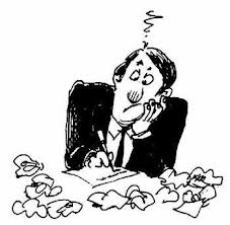
Anything else?
Problem is, you have to pay for stuff.
It’s like any enterprise. Money comes in. Money goes out. More of the former than the latter is necessary for any sort of long term sustainability.
So with limited financial tools on hand, municipal politicians must have innovative and strategic ideas about revenue generation. If that’s a dirty phrase to you, revenue generation or revenue tools, you don’t really understand the nature of governance. Tax and spending is exactly what a government does.
It’s just a matter of, to steal a line from a budget committee deputation late last year, taxing fairly and spending wisely.
And it has to go beyond simply arguments of this tax or that tax, increase one, eliminate another. How do you grow a tax/revenue base to match the expanding needs for infrastructure, services and programs which come with the growth of a city? Too often it’s only about approving almost exclusively residential development, in the form of condo towers downtown and sprawl in the outer suburban ring, for an immediate (relatively speaking) hit of tax returns and section 37 money. 
The inevitable magic of the free market, am I right?
Beware the charlatans pitching you the everlasting miracle of unfettered free markets.
What happens, and I don’t know the proper business jargon for it, but it comes down to too much of a good thing. A land rush. Residential housing going up everywhere. It offers the best return on investment to developers and cash up front to local governments. Win/Win.
But then suddenly, you’ve built a city where lots of people live and with no place to work. At least, no place nearby to work. Leading you into the morass of long commutes and travel times. Congestion. Lost productivity. Low liveability indexes.
From a planning perspective, the dreaded single-use communities that urban minds are desperately trying to fix and overcome.
It’s playing out right now in Toronto at the former location of Mr. Christie’s in south Etobicoke. Industrial land sitting smack dab on prime real estate under pressure to join its immediate surroundings in condo fever. If You Lived Here, You’d Be Home By Now, the inevitable billboard on the side of the nearby Gardiner Expressway might boast. 
This goes beyond questions of zoning and land-use policy, out of the reach of local politicians. We are being abandoned by much of our manufacturing sector, lured away by the low costs of production opened up over the last 25 years by international trade liberalization. A mayor or city councillor can’t do a whole lot about that. We’ve seen very limited success with tax slashing approaches in efforts to compete on a global scale.
Fortunately, Toronto is home to a more diverse economy than just its manufacturing base. It has all the ingredients that make up both the so-called knowledge economy and service sectors. The country’s beating financial heart. A multitude of internationally regarded post-secondary education institutions and research hubs. People. People, people, people. Who come here looking for the opportunity to prosper and thrive.
To believe, however, that all governments have to do in this situation is to sit back and watch it all work out, just keep taxes low and cut the red tape is some sort of political wishful thinking. 
Run government like a business, we’re told by too many of our elected representatives. OK well, businesses invest in order to create a successful business climate, don’t they? Councillor Doug Ford crows about taking the bull by the horns and investing his time and money in opening up the Chicago branch of his family’s Deco Labels and Tags business, doesn’t he?
Well, a city too has to invest to create opportunity and positive conditions for its shareholders (everybody who lives there) to succeed. That means investing in ways to move people quickly and efficiently.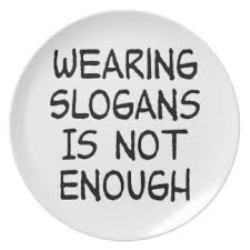
It means having a plan. Keeping taxes low is not a plan. It’s a fucking slogan. And as we’ve all witnessed over the past 4 years, a slogan doesn’t get transit or affordable housing built. It doesn’t bring jobs to the city. It only serves to get do-nothing politicians elected to office.
We don’t deserve better. We need better.
— all businessly submitted by Cityslikr